Energy Policies
Estonia has set targets to reduce primary energy consumption to 45.72 TWh by 2030. The country is implementing measures to improve energy efficiency in buildings, industry, and transport through energy audits, labelling, and standards. Estonia's Energy Sector Organization Act stipulates requirements for improving energy efficiency in both the public and private sectors.
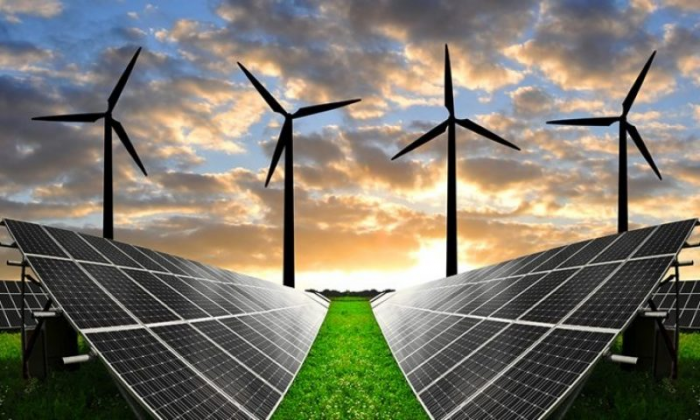
Estonia has set an ambitious target to cover 100% of its electricity consumption with renewable electricity by 2030 and increase the share of renewable energy in gross final energy consumption to at least 65% by 2030. The country promotes the use of various renewable energy sources, including wind, solar, biomass, and geothermal energy. The government has introduced technology-neutral renewable energy tenders and premium tariffs to support the construction and operation of renewable energy projects.
The country is focusing on developing renewable energy in areas previously used for agriculture, industry, or energy production, where good electricity and road infrastructure already exist.
Estonia is preparing new spatial plans to address energy security and adaptation to climate change, including the development of energy infrastructure.
The relevant legislation in Estonia in the energy sector is:
- Electricity Market Act: governs the generation, storage, transmission, sale, export, import and transit of electricity and the economic and technical management of the power system. This Act prescribes the principles of the functioning of the electricity market.
- Grid Code: lays down technical requirements applicable to power-generating installations by virtue of the security of supply of the electricity system.
- Network Code, Atmospheric Air Protection Act, The Act on the General Part of the Environmental Code, Energy Sector Organisation Act
- Network Code on the Operation of the Electricity lays down: the requirements and rules regarding the changing of the seller, the data exchange between market participants, the balance obligation, the determination of fixed and variable guarantees for balance providers, the sale of electricity in the case of interruptions in the chain of open supply.
- Atmospheric Air Protection Act stipulates that the Modernisation Fund is a fund established under Article 10d of Directive 2003/87/EC of the European Parliament and of the Council through which projects for modernising of the energy systems and improvement of energy efficiency are funded.
- The Act on the General Part of the Environmental Code stipulates the obligation to use raw materials, natural resources and energy economically.
- Energy Sector Organisation Act provides the measures for achieving the national target of energy efficiency, the principles for promoting renewable energy, the requirements for improving energy efficiency and the parties to whom obligations are imposed in the public as well as in the private sector.
National Energy and Climate Plan
Climate Resilient Economy Act (Draft):
- Introduced in August 2024, this draft law establishes the foundation for a climate-resilient economy by setting greenhouse gas emission targets, promoting the adoption of clean technologies, and enhancing the value of resources. It does not specifically mention islands.
The Estonian Energy Policy Development Plan (ENMAK) outlines Estonia's objectives for increasing the share of renewable energy sources (RES). It aims for RES to constitute 50% of total domestic electricity consumption. 80% of the heat produced in Estonia is expected to be based on renewable energy sources. It doesn’t specify anything about islands specifically.